Trending

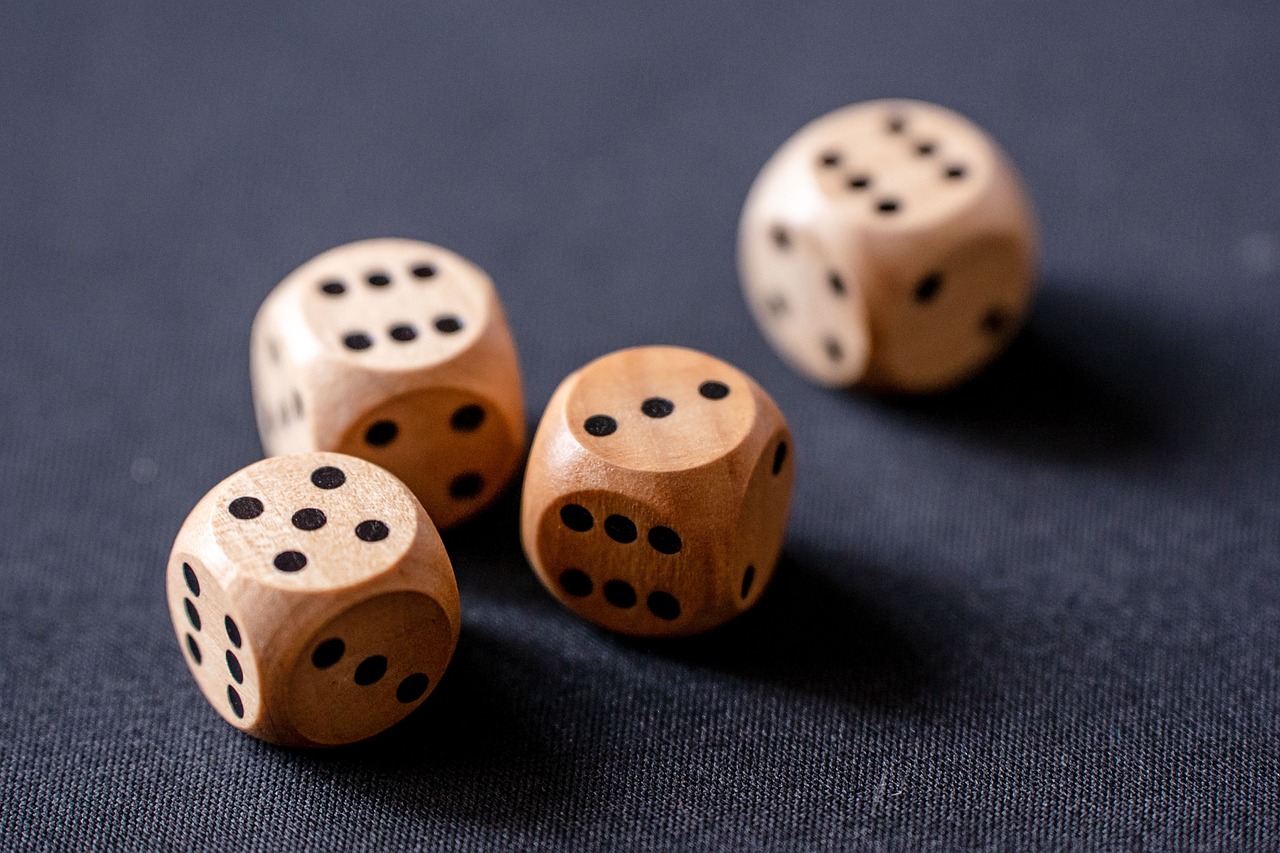
Every gambler has heard the same tired advice: quit while you're ahead. It sounds simple. It's also almost impossible to follow, and the reason has nothing to do with willpower. It's math, psychology, and a dash of self-awareness—and most players never bother to learn any of the three.
I've spent years watching people win big and lose bigger. The pattern is never random. Winners share habits; losers share habits too. Here's what actually separates them.
Let's get the unpleasant truth out of the way: every casino game favors the house. Blackjack played with perfect basic strategy still gives the house a 0.5% edge. European roulette sits at 2.7%. Slots, depending on the machine, usually run between 2% and 10%. These numbers don't change based on how lucky you feel.
But here's what most players miss: a small edge over thousands of hands is very different from a small edge over a hundred. In the short run, variance dominates. That's why a casual player can walk into a casino and triple their money on a Monday night. It's also why a professional can follow every rule and still lose six figures in a month.
The practical takeaway isn't "don't play"—it's "play the games with the smallest edge and the most favorable rules." That means:
Slots are the most popular casino game on earth and the most misunderstood. People chase jackpots on penny machines without realizing those machines often have the worst RTPs on the floor. A 1-cent denomination might be fun, but a 94% RTP means you're burning six dollars for every hundred you cycle through.
Here's a concrete example. You sit down at a $1 slot with 96% RTP and a 40x max win. You play $5 spins for an hour at 500 spins. That's $2,500 wagered. Expected loss is $100. Now switch to a 92% RTP machine with the same spin count. Expected loss is $200. Same game, same stakes, double the bleed.
Smart slot players look for three things before dropping a single coin:
This is the part where casual players get defensive. Yes, luck matters in poker—variance is brutal, and even a world-class player can lose for months. But over a million hands, the better player wins. Every time. No other casino game works that way.
The reason is simple: in poker, you're not fighting a mathematical edge engineered into the game. You're fighting other people. Bad players make predictable mistakes—calling too much, bluffing too rarely, overplaying top pair. If you can identify those patterns and exploit them, you become the house. Before making a choice, it helps to review บาคาร่าออนไลน์.
But most players never study. They watch a few YouTube videos, learn that position matters, and assume they're ready for $2/$5. Meanwhile, a winning player is tracking stats, reviewing hand histories, and thinking about ranges rather than absolute hands. The gap between a casual and a winning player isn't talent. It's hours of deliberate practice.
Ask a losing gambler about their bankroll and you'll get a blank stare. Ask a winning one and they'll recite their rules like scripture.
Here's the standard framework:
The number itself matters less than the discipline. A player with $500 and strict rules will outlast a player with $50,000 and no rules. I've seen it happen repeatedly.
Casinos are engineered to keep you playing. Free drinks, no clocks, no windows, loyalty cards that reward volume over profit. Slot machines near the entrance are louder and pay small amounts frequently to create the illusion of winning. The whole environment is designed to blur time and money.
The counter is brutally simple: set a stop-loss before you sit down. Not a vague "I'll leave if I lose too much," but a hard number. Write it on your hand if you have to. When you hit it, you leave. No exceptions, no "one more spin."
The same goes for wins. Decide in advance what profit you'll walk away with. If you double your buy-in, do you keep playing? Most people do, and most people give it back. Losers chase losses and torch profits. Winners treat both as signals to stop.
None of this is glamorous. Nobody brags about following bankroll rules or checking RTPs before playing. The thrill is in the action, not the discipline. But discipline is the only thing standing between a fun hobby and a financial disaster.
The players who last—the ones who actually enjoy this stuff for years without wrecking their lives—treat gambling like a cost, not an investment. They budget for it the way they'd budget for a nice dinner. They know the house always wins in the long run, so they play for entertainment, not salvation.
If you remember nothing else, remember this: the casino doesn't need to cheat you. The math already does the job. Your only real edge is knowing when to walk away—and actually doing it.